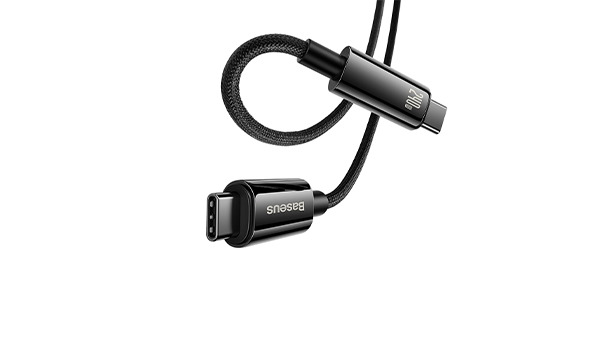
Understanding Power Delivery: How It Transforms Your Charging Experience
Understanding Power Delivery is crucial for anyone who relies on modern devices that require efficient charging solutions. Power Delivery (PD) is a specification that enables faster and more flexible charging by dynamically adjusting the power output according to the device's needs. This means that instead of a one-size-fits-all approach, your charger can communicate with your device to provide the optimal amount of power. As a result, users can experience significantly reduced charging times and improved efficiency, making it an essential technology for smartphones, laptops, and other electronics.
The transformation brought by Power Delivery extends beyond mere speed; it also enhances compatibility across various devices. With the advent of USB-C connectors, a standardized method for charging has emerged, allowing multiple devices to use the same charger. This versatility is not only convenient but also reduces electronic waste. As more manufacturers adopt Power Delivery technology, consumers can expect a seamless charging experience that simplifies their daily routines. Whether you’re at home, in the office, or on the go, understanding the benefits of Power Delivery can help you choose the right charging solutions for your device.
Counter-Strike is a popular multiplayer first-person shooter that pits teams of terrorists against counter-terrorists in various game modes. Known for its strategic gameplay and competitive scene, the game has maintained a strong following over the years. Players often seek ways to enhance their gaming experience, such as finding the Top 10 fast chargers for iphone to ensure their devices stay charged during intense gaming sessions.
The Science Behind Power Delivery: Why Speed and Efficiency Matter
The concept of power delivery is pivotal in various fields, ranging from electronics to renewable energy systems. At its core, power delivery refers to the process of providing electrical energy from a source to a load effectively and efficiently. The speed and efficiency of this process are critical as they directly impact the performance and reliability of devices. For instance, in mobile devices, faster power delivery ensures that devices charge quickly, enhancing user experience, while efficiency minimizes energy loss, which is vital for battery longevity and sustainability.
Research has shown that rapid advancements in technology require corresponding improvements in power delivery mechanisms. For example, the rise of high-performance computing systems and electric vehicles necessitates efficient power transfer methods that can maintain performance without overheating or energy waste. In this context, technologies like USB Power Delivery exemplify the importance of optimizing both speed and efficiency. As we push towards a future where energy demands are higher than ever, understanding the science behind power delivery becomes essential for innovation across industries.
Is Your Device Compatible? A Guide to Power Delivery and Device Connectivity
In today's fast-paced world, ensuring that your device is compatible with the latest power delivery (PD) standards is crucial for seamless connectivity. Power Delivery technology enables faster charging and efficient energy transfer between compatible devices, such as smartphones, laptops, and tablets. This guide serves to help you assess whether your devices support power delivery, along with the essential features you should consider. To determine compatibility, check the specifications of your device, looking for USB-C support and PD capabilities listed in the technical details.
To ensure a smooth experience with your power delivery systems, it’s important to understand the various components involved. Here are key aspects to evaluate:
- Cable Compatibility: Make sure you use a certified USB-C cable that supports power delivery.
- Charger Specifications: Verify that your charger meets the required wattage for your device.
- Device Settings: Some devices feature settings that may affect power delivery; ensure these are properly configured.