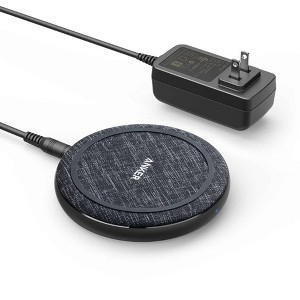
The Science Behind Wireless Charging: How It Works
The science behind wireless charging leverages electromagnetic fields to transfer energy between two objects. This process typically involves a transmitter and a receiver. The transmitter, which is connected to a power source, generates an alternating magnetic field through a coil of wire, while the receiver, placed in a compatible device, captures this energy using another coil. When the receiver coil is within the magnetic field created by the transmitter, it induces an electrical current that can charge the device's battery. This method eliminates the need for physical connectors, making it a convenient solution for charging smartphones, smartwatches, and other devices.
Wireless charging operates primarily on the principles of electromagnetic induction. To ensure effective energy transfer, the two coils must be in close proximity, generally within a few millimeters. Additionally, many wireless chargers use a standard known as Qi (pronounced 'chee'), which allows for interoperability between different manufacturers' devices and chargers. A few advantages of wireless charging include reducing wear and tear on charging ports, providing convenience by eliminating cords, and offering a seamless way to power multiple devices. As technology advances, the efficiency and speed of wireless charging methods continue to improve, paving the way for broader adoption in everyday life.
Counter-Strike is a popular tactical first-person shooter game that has evolved over the years, with various iterations showcasing competitive gameplay. Players are split into two teams, terrorists and counter-terrorists, and engage in objective-based scenarios. The game has a large esports scene, and players often rely on skillful strategies and teamwork to achieve victory. You can also check out Top 10 Nightstand Charging Docks for iPhone to stay organized while gaming.
Top 5 Benefits of Wireless Charging for Modern Devices
Wireless charging has revolutionized the way we power our devices, offering numerous benefits that enhance user experience. One of the primary advantages is convenience. By eliminating the need for cables, users can simply place their smartphones, smartwatches, or other compatible devices on a charging pad to initiate charging. This ease of use is especially valuable in public spaces, such as cafes or airports, where multiple devices can be charged simultaneously without the hassle of tangled cords.
Another significant benefit is the reduced wear and tear on charging ports. Frequent plugging and unplugging of charging cables can lead to damage over time, resulting in costly repairs. With wireless charging, devices have fewer points of physical contact, which helps maintain their longevity. Additionally, many wireless chargers are designed with compatibility in mind, making it possible to use a single charger for multiple devices, streamlining the charging process and minimizing clutter.
Is Wireless Charging Safe? Debunking Common Myths
Is wireless charging safe? This question often arises among users of smartphones and other electronic devices. Many people harbor misconceptions about the safety of wireless charging technologies, leading to unnecessary doubts. In reality, wireless charging operates through electromagnetic induction, which is a safe and efficient method to power devices. The technology has undergone rigorous testing and adheres to international safety standards. According to the Wireless Power Consortium, devices that use Qi wireless charging are designed with multiple safety features, including temperature management and overcharge protection, ensuring that both you and your device remain safe during the charging process.
Another common myth is that wireless charging can damage your battery over time. However, this claim is largely unfounded. Modern smartphones are equipped with smart charging circuits that regulate power input, regardless of whether it's through a wired or wireless connection. In fact, wireless charging can even prolong battery life by reducing the stress on battery cells associated with frequent plugging and unplugging. To further ease concerns, users can ensure they are using certified wireless charging pads, which provide the safest experience. With continued advancements in technology, wireless charging is proving to be both a convenient and safe alternative to traditional charging methods.