The Science Behind Noise Cancelling: How It Works
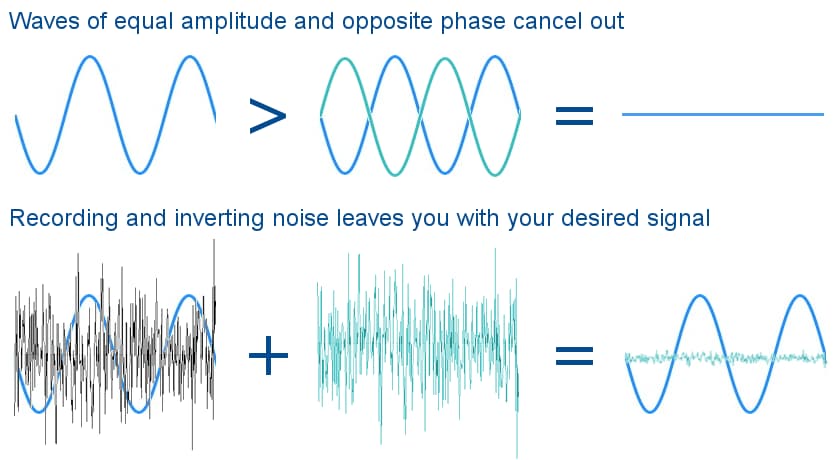
The science behind noise cancelling technology primarily relies on the principles of sound wave interference. To understand how it works, we need to consider that sound is essentially a wave, traveling through the air. Noise cancelling headphones use a technique called destructive interference. When external sounds enter the headphones, tiny microphones pick up these ambient noises and analyze their sound waves. The headphones then generate a new sound wave that is the exact opposite (or anti-phase) of the incoming wave. By combining these two waves, they effectively cancel each other out, resulting in a significant reduction of unwanted noise.
The technology can be broadly categorized into two types: active noise cancelling (ANC) and passive noise cancelling. Active noise cancelling uses electronic components to analyze and counteract incoming sound waves, while passive noise cancelling relies on physical barriers, like ear cups, to block sound. ANC is particularly effective for low-frequency noises, such as the hum of an airplane engine or air conditioning units, making it an excellent choice for travelers and office workers alike. Understanding how it works can help users choose the right headphones based on their noise cancelling needs.
Counter-Strike is a popular tactical first-person shooter game that pits teams of terrorists against counter-terrorists in various objective-based scenarios. The game's strategic gameplay and team-oriented mechanics have made it a staple in the competitive gaming scene. Players often seek the best gear to enhance their experience; for example, consider checking out the Top 10 Earbuds for Zoom Calls to improve your communication during intense matches.
Top 5 Benefits of Using Noise Cancelling Headphones
Noise cancelling headphones have become increasingly popular for their ability to provide an immersive listening experience. One of the **top benefits** is the reduction of background noise, which is particularly useful in bustling environments like public transport or busy offices. By actively cancelling out ambient sounds, these headphones allow you to focus on your music, podcasts, or audiobooks without distractions. This makes them an excellent choice for travelers and professionals alike.
Another significant advantage is the enhanced sound quality that noise cancelling headphones offer. When outside disturbances are minimized, you can enjoy music and other audio with greater clarity. Furthermore, many models also come equipped with additional features such as built-in microphones for hands-free calls and touch controls for easy operation. By investing in a quality pair of noise cancelling headphones, you not only enhance your audio experience but also promote better listening habits by reducing the need to crank up the volume.
Can Noise Cancelling Technology Improve Your Sleep Quality?
Noise cancelling technology has become increasingly popular as a solution for improving sleep quality in today's fast-paced and often noisy environments. Many individuals struggle with sleep disturbances caused by external sounds such as traffic, construction, or even household noise. By using noise cancelling headphones or devices, users can create a more tranquil sleep environment. These devices work by actively listening to surrounding sounds and generating sound waves that counteract the noise, effectively creating a 'silent' bubble that enhances the conditions for restful sleep.
Research indicates that reducing noise disturbances can lead to longer and deeper sleep cycles, which are crucial for overall health and well-being. Incorporating noise cancelling technology into your nightly routine can significantly impact how long it takes to fall asleep and the quality of sleep achieved throughout the night. Moreover, many modern devices come equipped with features like white noise or soothing sound environments which can further aid in masking disruptive sounds. Therefore, using noise cancelling technology not only addresses the immediate problem of noise but also promotes better sleep hygiene.