10 Essential Maintenance Tips Every Homeowner Should Know
Maintaining your home is essential for ensuring its longevity and enhancing your living experience. Here are 10 essential maintenance tips that every homeowner should know:
- Regular Roof Inspections: Check your roof at least twice a year, especially after severe weather, to ensure there are no missing shingles or leaks.
- HVAC System Maintenance: Schedule annual inspections for your heating and cooling systems to keep them operating efficiently and extend their lifespan.
- Clean Gutters: Clear out gutters and downspouts every spring and fall to prevent water damage and foundation issues.
- Check Smoke Detectors: Test smoke alarms monthly and replace batteries annually to keep your home safe from fire hazards.
- Inspect Plumbing: Look for leaks, corrosion, or water stains in pipes and fixtures to avoid costly water damage.
In addition to the above maintenance tips, consider these important practices:
- Exterior Maintenance: Clean and paint the exterior of your home as needed to protect against the elements.
- Lawn Care: Regularly mow and fertilize your lawn and check for proper drainage to maintain a healthy outdoor space.
- Inspect Electrical Systems: Ensure your electrical outlets and circuits are in good condition to prevent electrical hazards.
- Seal Windows and Doors: Check for drafts and apply caulk or weatherstripping when necessary to improve energy efficiency.
- Maintain Appliances: Keep your kitchen and laundry appliances in good working condition by cleaning them regularly and scheduling professional servicing when needed.
Counter-Strike is a popular first-person shooter game that has captivated players around the world since its inception. The tactical gameplay and team-based strategies make it a thrilling experience, especially when players master their skills and communicate effectively. For those who spend long hours gaming, it's essential to consider Top 10 Laptop Accessories to Prevent Overheating to ensure their equipment remains in top shape during intense matches.
How to Create a Preventive Maintenance Schedule for Your Equipment
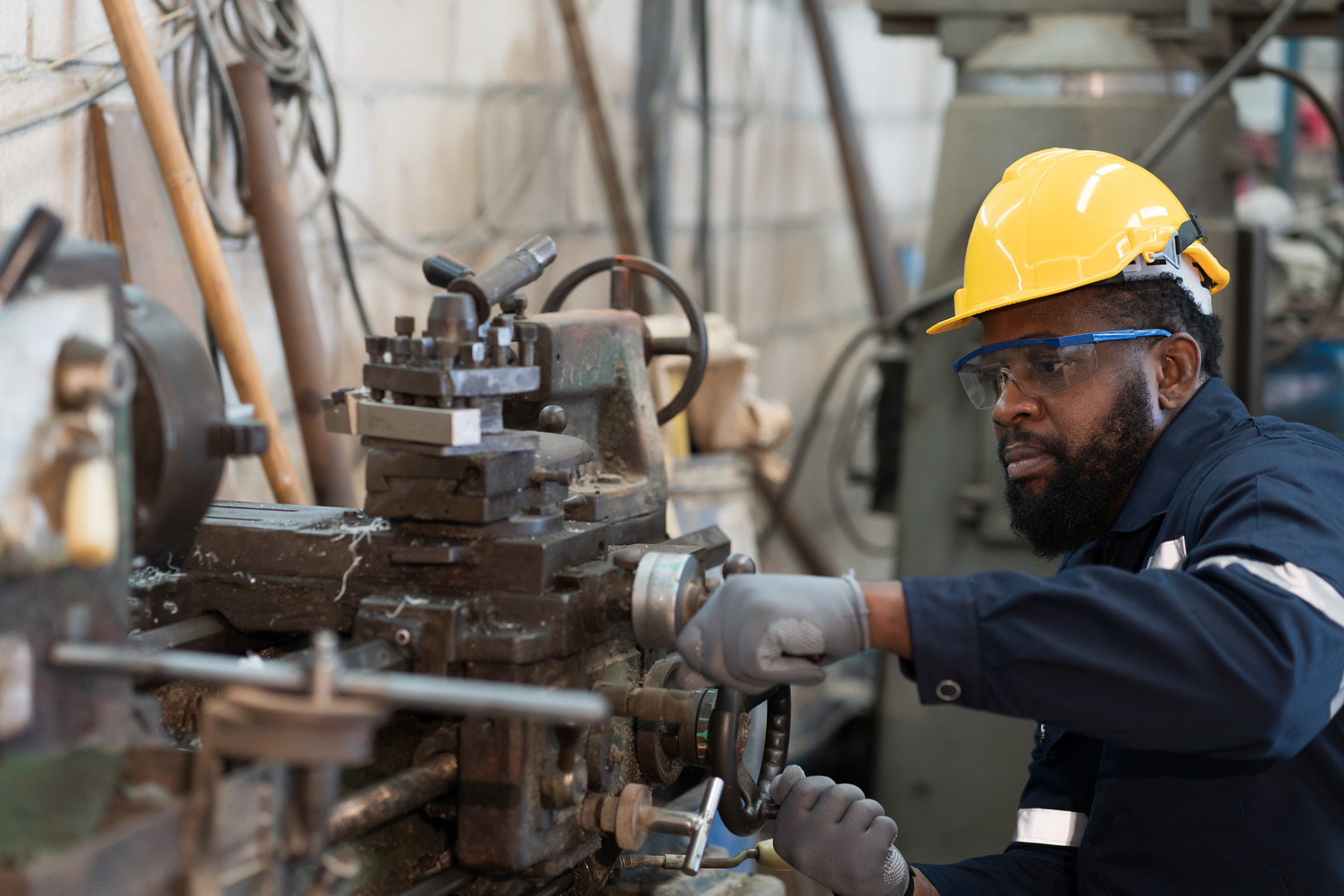
Creating a preventive maintenance schedule for your equipment is crucial to ensure its longevity and operational efficiency. Start by conducting an inventory of your equipment, categorizing them based on their usage, age, and criticality to your operations. This will help you prioritize which machines require more frequent maintenance. Once you have your inventory, establish a timeline for inspections and maintenance tasks. A typical schedule might include daily checks for operational machinery, weekly lubrication, monthly filter changes, and quarterly deep cleaning or professional servicing.
Next, it’s important to document all maintenance activities. Create a maintenance log that records dates, tasks performed, and any issues encountered. This log serves two purposes: it helps track the health of your equipment over time and aids in predicting future maintenance needs. Additionally, consider utilizing software or applications specifically designed for preventive maintenance scheduling. These tools can automate reminders for scheduled tasks and provide analytics on maintenance trends, making it easier to keep your equipment in peak condition.
What Are the Key Signs That Your HVAC System Needs Attention?
Recognizing when your HVAC system needs attention is crucial for maintaining comfort in your home and ensuring energy efficiency. Some key signs that indicate your system may require servicing include unusual noises, fluctuating temperatures, and high energy bills. For example, if you hear strange sounds like grinding or squeaking, it could point to worn-out components that need to be replaced. Additionally, if certain rooms are either too hot or too cold compared to others, it may signify an airflow issue or a malfunction in your HVAC system.
Another important sign is the presence of strange odors emanating from your units. If you detect a musty or burning smell, it’s essential to address the situation immediately, as it could indicate mold growth or an electrical problem, respectively. Furthermore, if you notice frequent cycling on and off, this can suggest that your system is struggling to maintain the desired temperature, which could lead to increased wear and tear. Regular inspections and prompt attention to these key signs can help prolong the life of your HVAC system and enhance its efficiency.