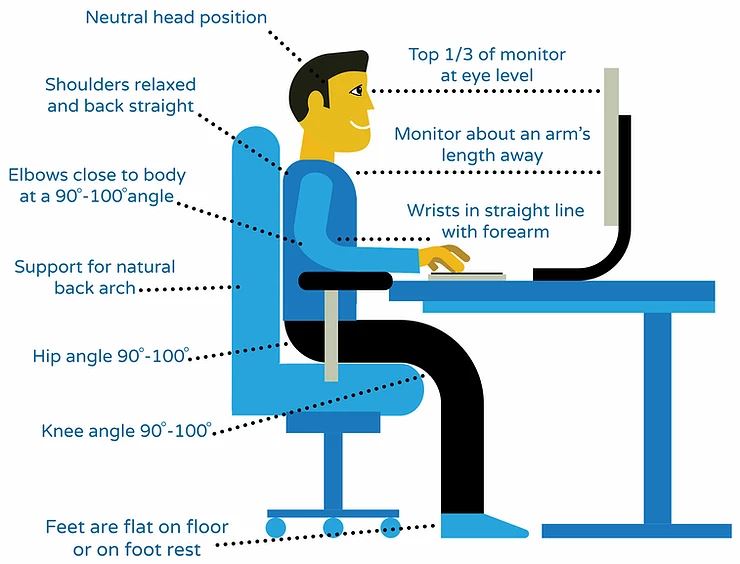
The Science Behind Ergonomic Design: How It Protects Your Spine
Ergonomic design is not just a trend; it's a crucial aspect of creating workspaces that prioritize human health. The science behind ergonomic principles is rooted in understanding human anatomy and how our bodies interact with various environments. By ensuring that workstations, furniture, and tools are well-aligned with our natural posture, ergonomic design helps to protect your spine from strain and injury. For instance, an ergonomic chair supports the natural curve of the spine, reducing pressure on the lumbar region, which is vital for maintaining a healthy back.
Research has shown that the integration of ergonomic elements can lead to significant improvements in comfort and productivity. According to studies, employees who work in ergonomically designed spaces experience fewer musculoskeletal disorders and report greater job satisfaction. Protecting your spine through such designs involves various factors such as seat height, monitor placement, and desk layout. Proper alignment prevents awkward postures, which are detrimental to spinal health, ultimately contributing to a more efficient and healthier workplace.
Counter-Strike is a highly popular first-person shooter game that emphasizes teamwork and strategy. Players engage in competitive multiplayer matches, where they can choose to be part of either the terrorist or counter-terrorist factions. To enhance their gaming experience, players often look for useful equipment and tools, making a list of Top 10 macbook air accessories pertinent for their setup.
Top 5 Ergonomic Products for a Healthier Back
In today's fast-paced world, the importance of maintaining a healthy back cannot be overstated. Poor posture and prolonged sitting have become common culprits for back pain. To combat these issues, investing in ergonomic products is essential. Here are the top 5 ergonomic products that can help you achieve a healthier back:
- Ergonomic Office Chair: A chair that provides proper lumbar support can significantly reduce strain on your back while working for long hours.
- Standing Desk: Alternating between sitting and standing helps alleviate back pain and encourages better posture.
- Footrest: Elevating your feet while seated improves alignment and circulation, thereby supporting your back.
- Lumbar Support Cushion: An additional cushion can provide extra support to your lower back when sitting.
- Adjustable Monitor Stand: Keeping your computer screen at eye level helps prevent slouching and neck strain.
Is Your Workspace Killing Your Posture? Signs You Need an Ergonomic Overhaul
In today's fast-paced work environment, the importance of maintaining a healthy posture cannot be overstated. If you've been experiencing chronic back pain, headaches, or fatigue, it may be time to evaluate your workspace. Often, the signs of poor posture go unnoticed until they manifest as discomfort or pain. Here are some key indicators that your workspace could be contributing to your posture problems:
- Frequent neck strain or pain.
- Numbness or tingling in your arms or hands.
- Difficulty maintaining focus due to discomfort.
Recognizing these symptoms is the first step towards creating a more ergonomic workspace. An ergonomic overhaul can dramatically improve your comfort and productivity. To get started, consider the following tips for a healthier work setting:
- Invest in an adjustable chair that supports your lower back.
- Position your computer monitor at eye level to reduce neck strain.
- Use a footrest to keep your feet flat on the floor.
By prioritizing your posture and making these adjustments, you can create a workspace that not only enhances your well-being but also boosts your overall work performance.