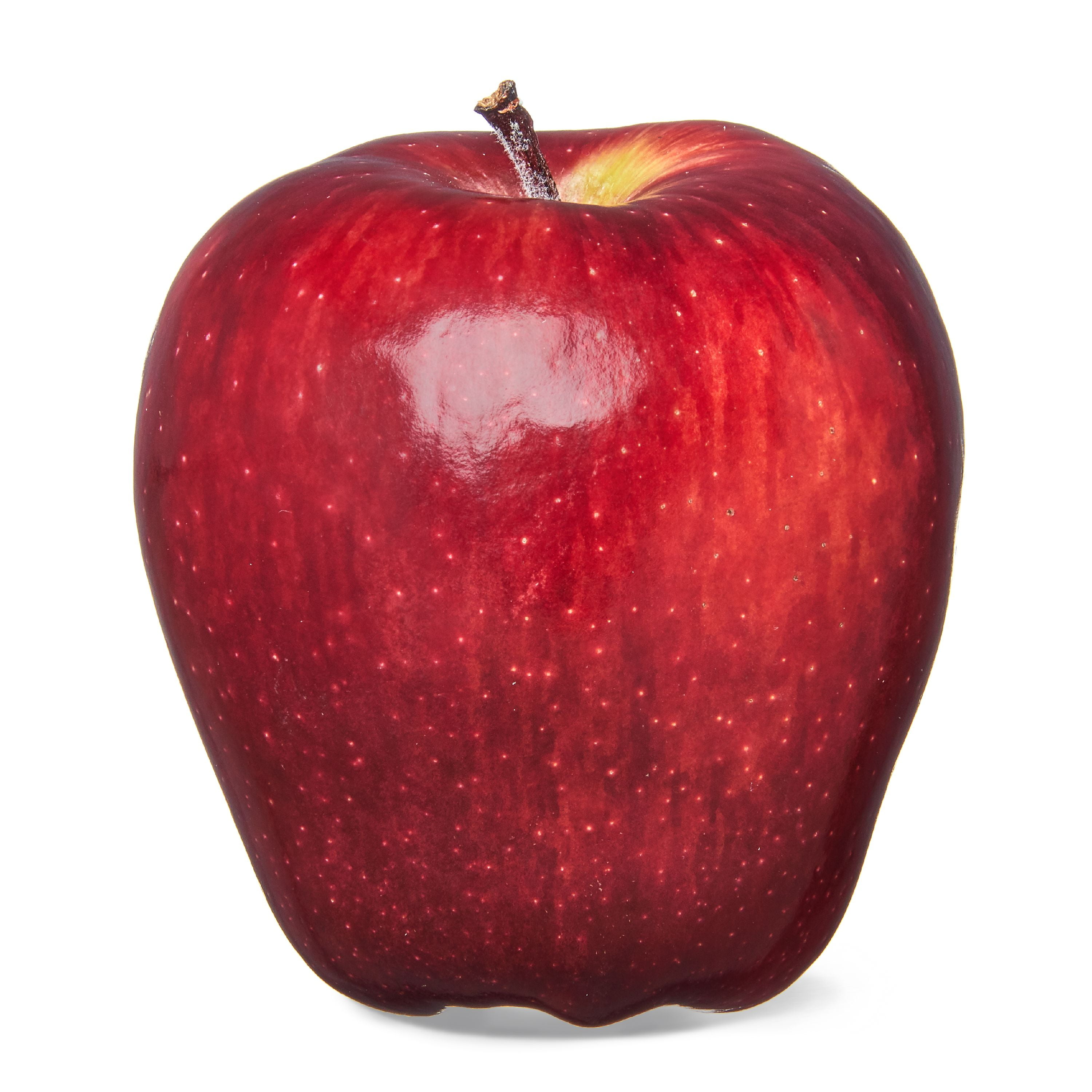
The Evolution of Apple Cider: From Ancient Ferments to Modern Delights
The journey of apple cider begins in ancient times, where early civilizations discovered the fermentation process. Archaeological evidence suggests that as far back as 3000 BCE, the Sumerians were brewing fermented beverages, which likely included basic forms of cider. The Greeks and Romans further advanced these techniques, creating sweeter and more palatable varieties. As apples became widely cultivated across Europe, regions like Normandy in France became famous for their unique styles of traditional apple cider, leading to the early development of what we recognize today as cider-making practices.
Fast forward to the modern era, apple cider has transformed into a beloved beverage worldwide, branching into two distinct categories: hard cider and non-alcoholic cider. Today, craft breweries and artisanal producers experiment with various apple varieties, blending flavors with spices, herbs, and even other fruits to create innovative and diverse palettes. With the rise of health consciousness among consumers, cider has also seen a shift towards organic and low-sugar options, making it a refreshing choice for many. In fact, the global cider market is projected to continue its growth, fueled by these evolving consumer preferences.
Counter-Strike is a popular first-person shooter game that emphasizes teamwork and strategy. Players can choose to be part of either the terrorist or counter-terrorist team, engaging in various objective-based missions. For gamers looking to enhance their experience, check out the Top 10 apple vision pro head straps for optimal comfort and usability during intense matches.
Decoding the Fermentation Process: How Apple Cider is Made
The journey of apple cider begins with selecting the right apples. Different varieties contribute unique flavors and characteristics to the final product, making this choice critical. After harvesting, the apples are washed, ground into a pulp, and pressed to extract their juice. This juice is the foundation of the fermentation process. Fermentation occurs when yeast, either natural or cultivated, is introduced to the apple juice. The yeast consumes the sugars present in the juice, producing alcohol and carbon dioxide as byproducts. This process typically takes a few weeks but can vary depending on factors such as temperature and yeast strain.
Once fermentation is complete, the apple cider undergoes clarification to remove any solid particles and sediments. This can be achieved through natural settling, filtration, or even pasteurization, ensuring a clear and stable product. Depending on the desired end result, additional aging may occur to enhance the flavor profile. Finally, the apple cider is either bottled and ready for consumption or goes through further processes to create variations like hard cider, which is fermented longer to increase alcohol content. Understanding the fermentation process not only gives insight into how apple cider is made but also enhances appreciation for this traditional beverage.
What Makes Apple Cider Different from Apple Juice?
Apple cider and apple juice may seem like similar beverages, but they have distinct differences that set them apart. The primary difference lies in the processing method. Apple cider is made from fresh-pressed apples and often retains a more natural flavor, with a cloudy appearance due to the presence of pulp and sediment. In contrast, apple juice is typically filtered to remove solids, resulting in a clear, more polished drink that is often sweeter and can be pasteurized for longer shelf life. The lack of processing in apple cider preserves more of the apple's natural flavors and nutrients, making it a favorite among purists.
Moreover, the taste profiles of apple cider and apple juice differ significantly. While apple juice is generally sweeter and milder, apple cider possesses a more complex flavor profile, often described as tart or slightly spicy, especially when fermented. This unique flavor makes apple cider a versatile ingredient in cooking and baking, as well as a popular choice for seasonal beverages, especially in autumn. In summary, the differences between apple cider and apple juice extend beyond just processing methods; they encompass flavor, appearance, and culinary uses, appealing to a variety of tastes and preferences.