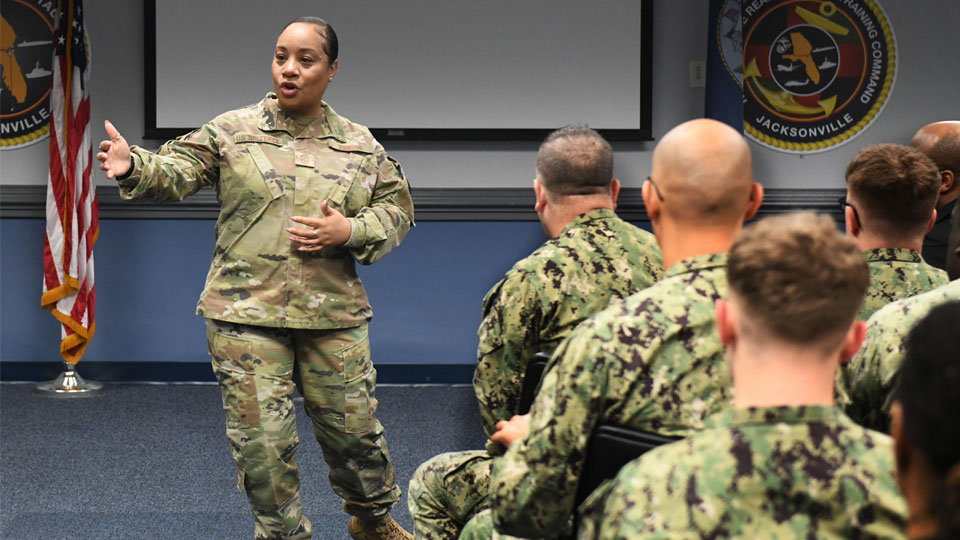
The Discipline of Military Training: How It Transforms Everyday Life
The discipline of military training plays a pivotal role in shaping not just soldiers, but also individuals in everyday life. The rigorous routines and structured environments foster a sense of responsibility and commitment that transcends the barracks. For example, service members learn the importance of punctuality, physical fitness, and teamwork. These skills are directly transferable to civilian settings, where meeting deadlines, maintaining health, and collaborating in teams are essential. Individuals who have undergone military training often discover that they bring an unmatched level of discipline to their careers and personal relationships.
Moreover, the transformation that comes from military training extends beyond the surface. It instills qualities such as resilience and adaptability, which are crucial for navigating the challenges of daily life. Service members are taught to face adversity head-on, cultivate problem-solving skills, and remain focused under pressure. This mental fortitude translates into various scenarios, from managing work-related stress to overcoming personal obstacles. As a result, the lessons of discipline learned in the military continue to benefit individuals long after they leave active service, proving that the influence of military training lasts a lifetime.
Counter-Strike is a highly popular first-person shooter game that has captivated players for years with its strategic gameplay and team dynamics. Players can engage in thrilling matches as either terrorists or counter-terrorists, completing objectives or eliminating the opposing team. For those looking to keep their devices protected while gaming on the go, check out the Top 10 Military Grade Shockproof Cases for iPhone 17.
Resilience in the Face of Adversity: Insights from Military Experiences
Resilience is a core trait developed through personal struggles and challenges, often exemplified in military experiences. Veterans frequently narrate stories of overcoming extreme adversity, illustrating how they cultivated mental toughness and adaptability in dire circumstances. One powerful lesson from these experiences is the significance of teamwork. In the military, individuals learn the importance of relying on others and building a support system, which is crucial when facing life’s hurdles. This sense of camaraderie fosters resilience, enabling soldiers to bounce back from setbacks more effectively.
Moreover, the military instills discipline and a strong sense of purpose, both of which are vital in developing resilience. Soldiers are trained to face their fears head-on and to embrace discomfort as a pathway to growth. This allows them to approach challenges with a mindset focused on solutions rather than problems. As a result, they embody the idea that resilience is not just about enduring hardship, but also about emerging stronger and more capable on the other side. By applying these military lessons in everyday life, anyone can enhance their own resilience in the face of adversity.
What Civilians Can Learn from Military Leadership Techniques?
Military leadership techniques have been honed over centuries, emphasizing discipline, adaptability, and strategic thinking. Civilians can adopt these principles to improve both personal and professional success. For instance, the military's focus on clear communication is crucial; leaders are trained to convey their messages effectively and concisely. By practicing active listening and providing constructive feedback, civilians can foster a collaborative environment in their teams. Additionally, adopting a sense of discipline helps individuals stay organized and accountable, which can lead to enhanced productivity.
Another valuable lesson from military leadership is the importance of teamwork. In the military, success often relies on cohesive unit operations where each member understands their roles and responsibilities. This concept can be applied in the civilian workforce through regular team-building exercises and open lines of communication. Furthermore, embracing adaptability is essential in today's fast-paced world. Military leaders are trained to think on their feet and adjust plans as necessary. Civilians can benefit from this mindset by remaining flexible and open to change, thus enhancing their problem-solving skills and resilience in the face of challenges.