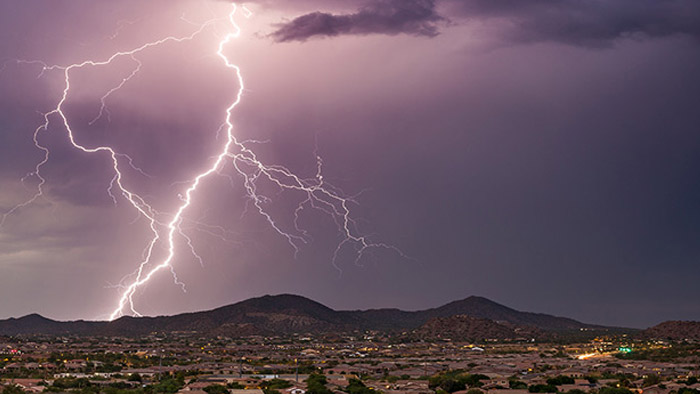
The Science Behind Lightning: How It Strikes and Its Impact on the Environment
The science behind lightning is both fascinating and complex. Lightning occurs when there is a buildup of electrical potential in storm clouds, resulting in a discharge of electricity. This phenomenon typically happens during thunderstorms when updrafts carry moisture and ice particles upward, creating an imbalance of positive and negative charges within the cloud. When the difference becomes too great, it leads to a rapid discharge known as a lightning strike. Understanding how lightning strikes involves recognizing the stages of this process, which includes the formation of stepped leaders and return strokes that illuminate the sky, producing the brilliant flashes we observe.
The impact of lightning on the environment is profound and multifaceted. When lightning strikes the ground, it can ignite wildfires, alter soil composition, and affect local ecosystems. For instance, lightning is responsible for approximately 30% of natural wildfires in the United States, making it a crucial factor in the regeneration of certain landscapes. Additionally, lightning can affect the nitrogen cycle by fixing atmospheric nitrogen, thus enriching the soil and promoting plant growth. Overall, the role of lightning extends beyond mere spectacle; it is a vital natural process that shapes our environment.
Counter-Strike is a popular first-person shooter game that has captivated gamers since its initial release in 1999. Players assume the role of either terrorists or counter-terrorists in a variety of objective-based game modes. The game has evolved significantly over the years, with Top 10 iphone charging cables available, ensuring that gamers can keep their devices charged for long playing sessions.
Curiosity Unleashed: Fascinating Facts About Lightning You Didn't Know
Curiosity Unleashed: Lightning is one of nature's most powerful forces, and it comes with a myriad of fascinating facts that many people don't know. For instance, did you know that a single bolt of lightning can contain up to 1 billion volts of electricity? That's enough energy to power a small town for several hours! Moreover, the temperature of lightning can reach an astonishing 30,000 degrees Fahrenheit, making it hotter than the surface of the sun. This extreme heat causes the surrounding air to expand rapidly, creating the thunder that we hear following a lightning strike.
Additionally, lightning is not limited to storms. In fact, cloud-to-ground lightning accounts for only about 20% of all lightning strikes. The remaining 80% consists of intracloud or cloud-to-cloud strikes, often occurring in clear skies. Interestingly, some scientists believe that lightning may play a vital role in the ecosystem; it helps to fix nitrogen in the atmosphere, which is essential for plant growth. With these intriguing facts, it's clear that lightning is not just a spectacular display; it's a natural phenomenon that holds importance in our environment.
What Causes Lightning to Strike? Understanding the Phenomenon in Simple Terms
Lightning is a fascinating natural phenomenon caused by the buildup of static electricity in the atmosphere. As storm clouds gather, they create a powerful electric field through the movement of particles, such as water droplets and ice crystals. When the electrical charge becomes strong enough, it seeks a path to ground, resulting in a sudden discharge known as lightning. This process typically occurs during thunderstorms but can also happen in volcanic eruptions and even with certain weather conditions.
There are several factors that contribute to the occurrence of lightning strikes. The most significant include:
- Charge Separation: The collision of particles within a storm cloud creates regions of positive and negative charges, leading to the buildup of electrical potential.
- Ground Formation: Lightning often strikes tall objects, such as trees, buildings, and even people, because these structures can provide a more direct path for the electrical discharge to reach the ground.
- Weather Conditions: Specific atmospheric conditions, like humidity and temperature variances, increase the likelihood of thunderstorms, which in turn enhances the chances of lightning.
Understanding these factors not only helps us appreciate the complexity of nature but also emphasizes the importance of safety during stormy weather.