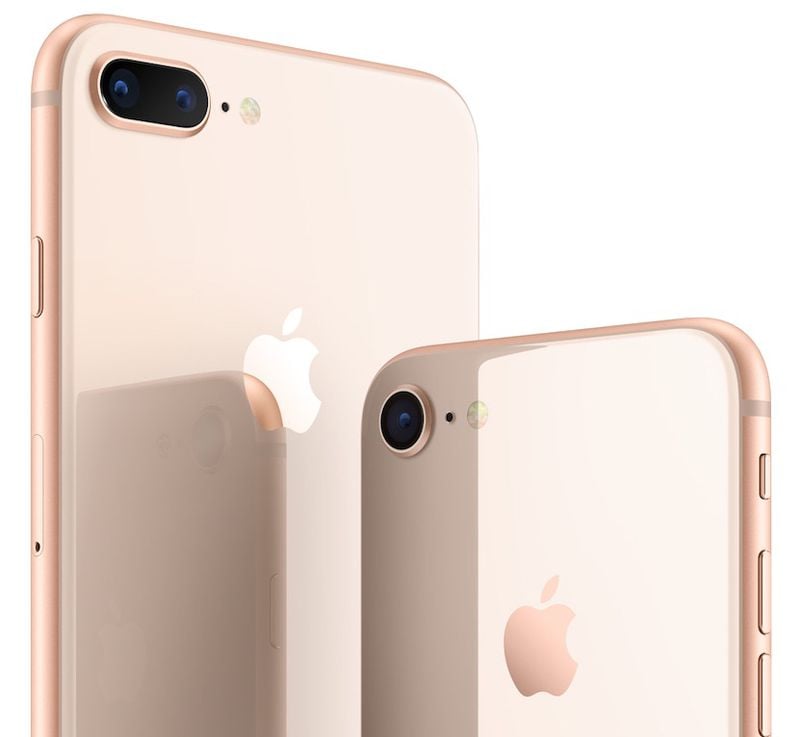
The Evolution of the iPhone: How a Single Device Redefined Communication
The iPhone has undergone a remarkable transformation since its debut in 2007, radically reshaping the landscape of mobile communication. Initially, it was a groundbreaking device that combined a phone, an iPod, and an internet communicator into one sleek package. This revolutionary smartphone introduced features such as a multi-touch interface, which simplified user interaction and set a new standard for mobile design. As Apple continued to innovate with each subsequent release, the iPhone's capabilities expanded to include advanced camera technology, biometric security systems like Face ID, and a vast ecosystem of applications through the App Store, allowing users to personalize their devices and connect in ways previously unimaginable.
Throughout the years, the iPhone has not only transformed how we communicate but has also influenced broader societal trends. Its impact on social interaction can be seen in the rise of instant messaging, social media platforms, and video calls, making communication more immediate and accessible. The introduction of features like Siri and later iterations of Apple’s AI enhanced the way users engage with their devices, creating a more intuitive experience. Furthermore, the iPhone's evolution has sparked competition in the smartphone market, driving innovation across various manufacturers and leading to the emergence of new communication technologies that continue to define how we interact in the digital age.
Counter-Strike is a popular first-person shooter game series that pits teams of terrorists against counter-terrorists in various objective-based scenarios. The game emphasizes strategy, teamwork, and precision shooting, making it a staple in the competitive gaming community. If you're looking to enhance your mobile photography, check out the Top 10 iphone camera lenses to find the best options available. With its fast-paced action and tactical gameplay, Counter-Strike continues to attract players worldwide.
10 Ways the iPhone Revolutionized Technology and Society
The iPhone has dramatically altered the landscape of technology and society since its initial launch in 2007. One significant aspect is its role in popularizing the concept of the smartphone as an all-in-one device. The integration of various functionalities such as calling, messaging, web browsing, and multimedia into a single device has transformed how we communicate and consume information. This convergence of technologies has led to the development of countless mobile applications, paving the way for an entire industry focused on app development and mobile services.
Moreover, the iPhone's influence extends beyond mere technology; it has reshaped our societal interactions and behaviors. The advent of social media platforms, which became mainstream through mobile access, has created a digital space for sharing experiences and ideas. As a result, we see a cultural shift where information spreads faster than ever, and digital engagement has become a critical part of everyday life. In summary, the iPhone is not just a gadget; it is a catalyst for change that has revolutionized both technology and society as a whole.
What Makes the iPhone a Game-Changer in the Mobile Industry?
The iPhone has consistently redefined the mobile industry since its launch in 2007. One of its key game-changing features is its intuitive touch interface, which replaced the traditional keyboard and stylus with a smooth and responsive touchscreen. This innovation made smartphones more accessible to the average consumer, paving the way for an entirely new way to interact with devices. Furthermore, the iPhone's App Store revolutionized how applications are distributed and monetized, empowering developers to create a diverse ecosystem that fulfills a multitude of user needs. With over two million apps available, the iPhone has transformed from just a phone to a versatile all-in-one device.
Another significant aspect that makes the iPhone a game-changer is its focus on design and user experience. Each iteration of the iPhone showcases Apple's commitment to aesthetic appeal and functionality, evidenced by its sleek design and high-quality materials. The introduction of features like the Face ID and a high-resolution camera has set benchmarks in technology and user convenience. Additionally, Apple's ecosystem, which seamlessly integrates the iPhone with other devices like the iPad, Mac, and Apple Watch, creates a unified experience that keeps users engaged and loyal. This level of integration and user-centric design has not only influenced other mobile manufacturers but has also shaped consumer expectations across the entire industry.