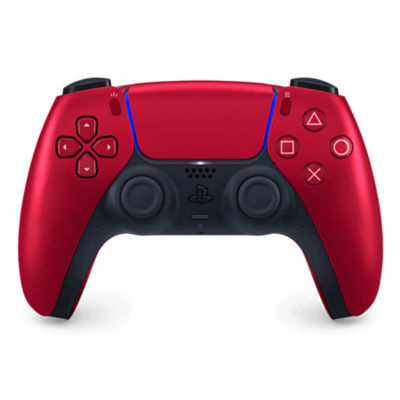
Decoding Button Schemes: How Controller Layouts Shape Player Experience
Understanding button schemes is crucial in appreciating how controller layouts directly influence player experience. A well-designed layout can enhance usability and improve gameplay responsiveness, making it easier for players to execute complex maneuvers efficiently. For instance, many fighting games utilize specific button configurations to allow for quick access to different moves. This design consideration ensures that players can perform combos without fumbling, leading to a more immersive and enjoyable gaming experience.
Moreover, each controller layout caters to different player preferences, which can significantly affect performance. Let's delve into a few common styles:
- Standard layout: Typically features clearly labeled buttons, favored by casual players.
- Pro layout: Includes customizable buttons for competitive gamers.
- Arcade layout: Mimics arcade machines for nostalgic gameplay.
Counter-Strike is a popular first-person shooter game that has captivated millions of players worldwide. It emphasizes teamwork and strategy, with players taking on the roles of terrorists or counter-terrorists. For those looking to enhance their gaming experience, check out the Top 10 iPhone gaming accessories that can elevate your gameplay. The game's competitive nature and constantly evolving maps make it a thrilling choice for gamers seeking both casual fun and intense matches.
The Psychology of Feedback: How Haptic Responses Influence Gaming
The psychology of feedback plays a crucial role in gaming, as it shapes players' experiences and influences their behaviors. Haptic responses, which refer to tactile feedback received through controllers or devices, significantly enhance immersion by providing players with a sensory connection to the game world. For instance, when a player’s character takes damage, a subtle vibration can evoke a sense of urgency and consequence, compelling them to shift strategies. This interaction not only increases engagement but also reinforces learning, guiding players through challenging scenarios. As a result, understanding how to implement effective haptic feedback can lead to a more successful and enjoyable gaming experience.
Moreover, the impact of haptic feedback on gaming psychology extends beyond mere physical sensations. It taps into emotional responses, creating a more profound sense of attachment to characters and storylines. Positive feedback, such as the satisfying rumble during a successful action or achievement, can induce feelings of accomplishment. In contrast, negative haptic feedback can signal failure but also serve as a prompt for adaptation and improvement. Consequently, game developers must carefully consider the design of haptic responses to balance both enjoyable and challenging experiences, ultimately leading to a richer gameplay environment that resonates with players on multiple levels.
Are Advanced Controllers the Future of Competitive Play?
The landscape of competitive gaming is rapidly evolving, and advanced controllers are at the forefront of this transformation. These devices offer a plethora of customizable features that enhance player performance, such as adjustable sensitivity settings and programmable buttons. As esports become more mainstream, the demand for precision and responsiveness in gameplay intensifies, making advanced controllers a vital tool for both amateur and professional gamers alike.
Moreover, the integration of advanced features such as haptic feedback and motion sensing technology in advanced controllers provides a more immersive gaming experience. This not only improves player engagement but also means that users can hone their skills in ways previously thought impossible. As developers continue to innovate in the realm of gaming peripherals, it becomes increasingly clear that advanced controllers are not merely a trend, but a significant leap into the future of competitive play.