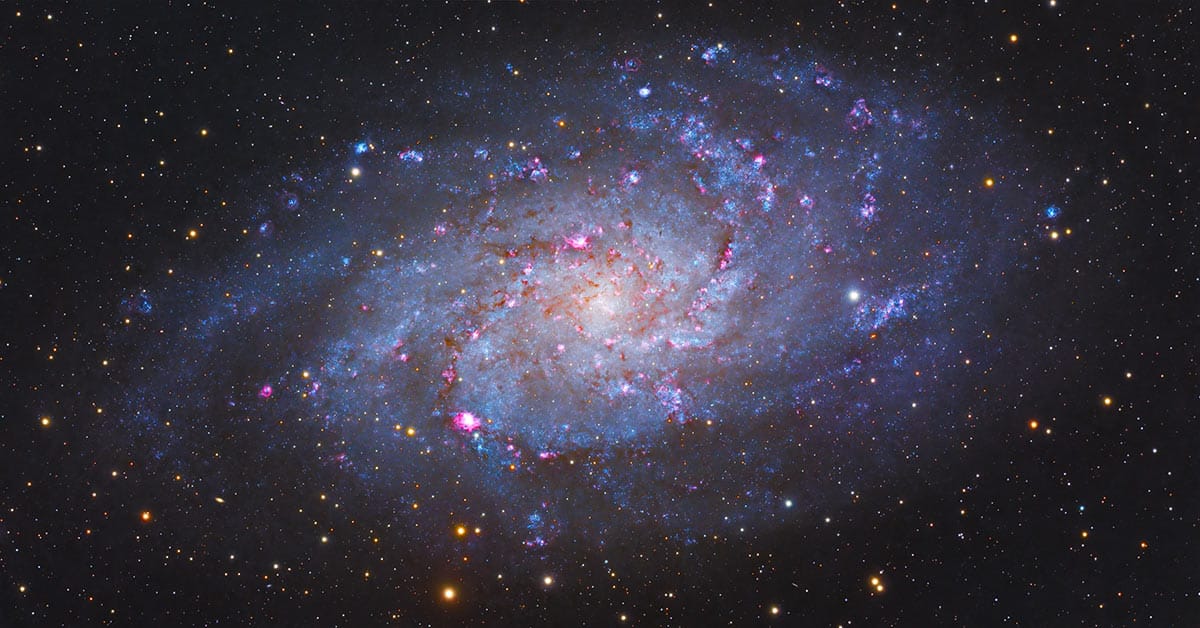
The Formation of Galaxies: A Cosmic Journey Through Time
The formation of galaxies is a fascinating process that showcases the intricate dynamics of the universe over billions of years. Initially, after the Big Bang, the universe was a hot, dense plasma. As it expanded and cooled, regions of gas began to clump together due to gravity. This clumping led to the formation of the first stars and, eventually, the first galaxies. These primordial galaxies were much smaller than the ones we see today, but they set the stage for further cosmic evolution as they merged and grew larger over time.
Throughout cosmic history, galaxies have continued to evolve and interact with one another, leading to stunning structures that we observe today. There are several types of galaxies, such as spiral, elliptical, and irregular galaxies, each with unique characteristics. The study of galactic formation not only reveals the history of our universe but also helps us understand fundamental aspects of cosmology and the behavior of matter on a grand scale. As we look through powerful telescopes, we see light that has traveled billions of years, offering a glimpse into the formation of these magnificent cosmic bodies.
Counter-Strike is a highly popular first-person shooter series that pits teams of terrorists against counter-terrorists in various mission-based scenarios. The game has evolved over the years, with its competitive scene thriving globally and offering tournaments with substantial prize pools. Players often seek the best gear to enhance their experience; for instance, check out the Top 10 Samsung Galaxy Accessories to elevate your gaming setup.
What Are Galaxy Collisions and How Do They Shape the Universe?
Galaxy collisions are a fascinating cosmic phenomenon that occurs when two or more galaxies come close enough to exert significant gravitational forces on each other. This interaction can lead to a variety of outcomes, including the merging of galaxies into a single, larger entity or the formation of new structures within each galaxy. The Milky Way itself is expected to collide with the Andromeda Galaxy in about 4.5 billion years, a scenario that underscores the dynamic nature of our universe. These collisions can also trigger bursts of star formation as gas and dust are compressed, leading to vibrant new star systems.
As galaxy collisions shape the cosmos, they play a crucial role in the evolution of the universe. Over billions of years, these interactions can significantly alter the structure and composition of galaxies, influencing their sizes, shapes, and the distribution of stars within them. Moreover, the merger of galaxies can also lead to the creation of supermassive black holes at their centers, further impacting the gravitational landscape of the surrounding space. Ultimately, these cosmic events not only reshape the individual galaxies involved but also contribute to the overall architecture of the universe itself.
The Role of Dark Matter in the Dance of Galaxies: Unraveling Cosmic Mysteries
The universe, with its vast expanse and mesmerizing beauty, is governed by forces that often elude our understanding. Among these forces lies dark matter, a mysterious substance that, despite being invisible and undetectable through conventional means, exerts a profound influence on the cosmos. It plays a crucial role in the dance of galaxies, as it provides the gravitational scaffolding necessary for galaxies to form and cluster. Without dark matter, the galaxies we observe would not have the stability to maintain their structure, leading to a vastly different cosmic landscape where the mesmerizing spirals and dense clusters of galaxies could not exist as we know them.
As astronomers and physicists delve deeper into uncovering the secrets of the universe, the significance of dark matter becomes increasingly apparent. Recent studies indicate that approximately 27% of the universe is composed of this enigmatic substance, affecting the motion of galaxies and enabling them to gather in clusters. The intricate gravitational interactions between dark matter and regular matter result in the cosmic web, a complex structure that outlines how galaxies are distributed across the universe. By unraveling the mysteries of dark matter, scientists hope to unlock further insights into the origins of galaxies, ultimately piecing together the grand tapestry of our universe.