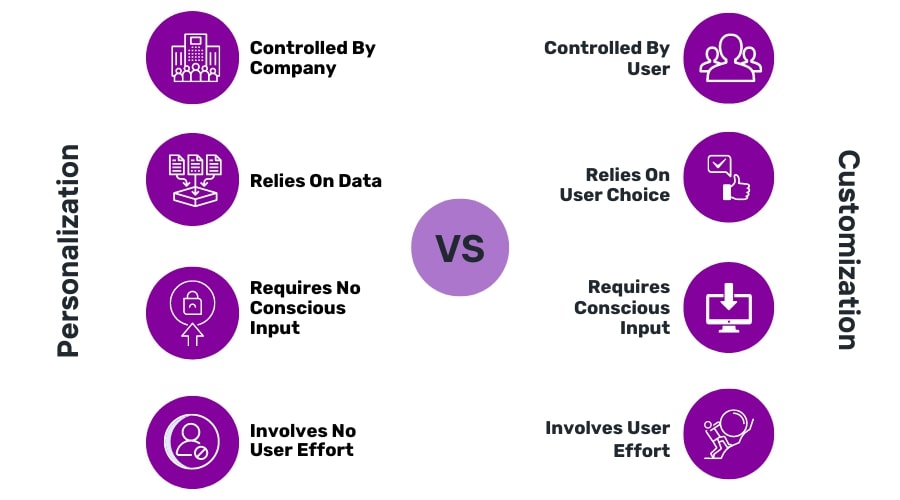
The Power of Personalization: How Customization Can Transform Your Experience
The power of personalization in today's digital landscape cannot be overstated. With an overwhelming amount of content available at our fingertips, customization allows businesses to tailor experiences that resonate with individual users. This approach not only increases customer satisfaction but also drives engagement. For instance, personalized recommendations based on browsing history can enhance the shopping experience, making it easier for users to discover products they may love. The effectiveness of this strategy is illustrated by statistics showing that personalized emails generate six times higher transaction rates than generic messages.
Moreover, the transformative impact of customization extends beyond e-commerce. In sectors such as education and entertainment, personalized learning paths and curated content can significantly improve user engagement and retention. By harnessing data analytics and machine learning algorithms, companies can provide customized solutions that adapt to individual preferences. This leads to not only a unique user experience but also a stronger brand loyalty. As more consumers expect tailored experiences, businesses that embrace personalization are likely to outperform their competitors in a crowded market.
Counter-Strike is a popular first-person shooter game that pits two teams against each other: terrorists and counter-terrorists. Players engage in fast-paced matches, requiring teamwork, strategy, and precise shooting skills. For those looking to protect their devices while gaming, check out the Top 10 macbook keyboard covers to ensure your keyboard stays in top shape while you play.
Top Trends in Customization: What You Need to Know
In today's fast-paced market, customization is becoming a crucial factor for businesses seeking to stand out. Consumers are looking for products and experiences tailored to their unique preferences, making it important for brands to understand the top trends in customization. Some key trends include personalized products, where customers can choose colors, materials, and features, as well as customized services that adapt to individual needs. Additionally, with the rise of 3D printing technology, companies are now able to offer bespoke items that not only meet customer expectations but also promote sustainability.
Another significant trend is the integration of data analytics and AI technology in driving customization efforts. Businesses utilize data to gain insights into consumer behavior, enabling them to create more relevant offerings. For example, algorithms can analyze previous purchases and suggest personalized recommendations, increasing customer satisfaction and loyalty. Moreover, social media platforms are playing a vital role in this evolution, allowing consumers to share their customized experiences and preferences, which in turn influences brand strategies. Staying ahead in customization means embracing these innovations and being open to ongoing changes in consumer demands.
Customization vs. Standardization: Which is Right for You?
When considering Customization vs. Standardization, it's essential to evaluate your specific needs and business goals. Customization allows for tailored solutions that fit unique requirements, enabling businesses to leverage their competitive edge. This approach can lead to increased customer satisfaction, as products or services are aligned closely with client expectations. However, standardization offers consistency and efficiency, making it easier to manage operations and reduce costs. For companies focused on scalability and market consistency, standardized offerings may be the preferred route.
Ultimately, the choice between Customization and Standardization hinges on your target audience and market positioning. If you operate in a niche sector where personalization is valued, investing in customization may yield better results. On the contrary, if you cater to a broader market where price and uniformity are key factors, standardization could enhance your operational effectiveness. Conducting a thorough analysis of your business landscape will help determine which strategy aligns best with your long-term objectives.