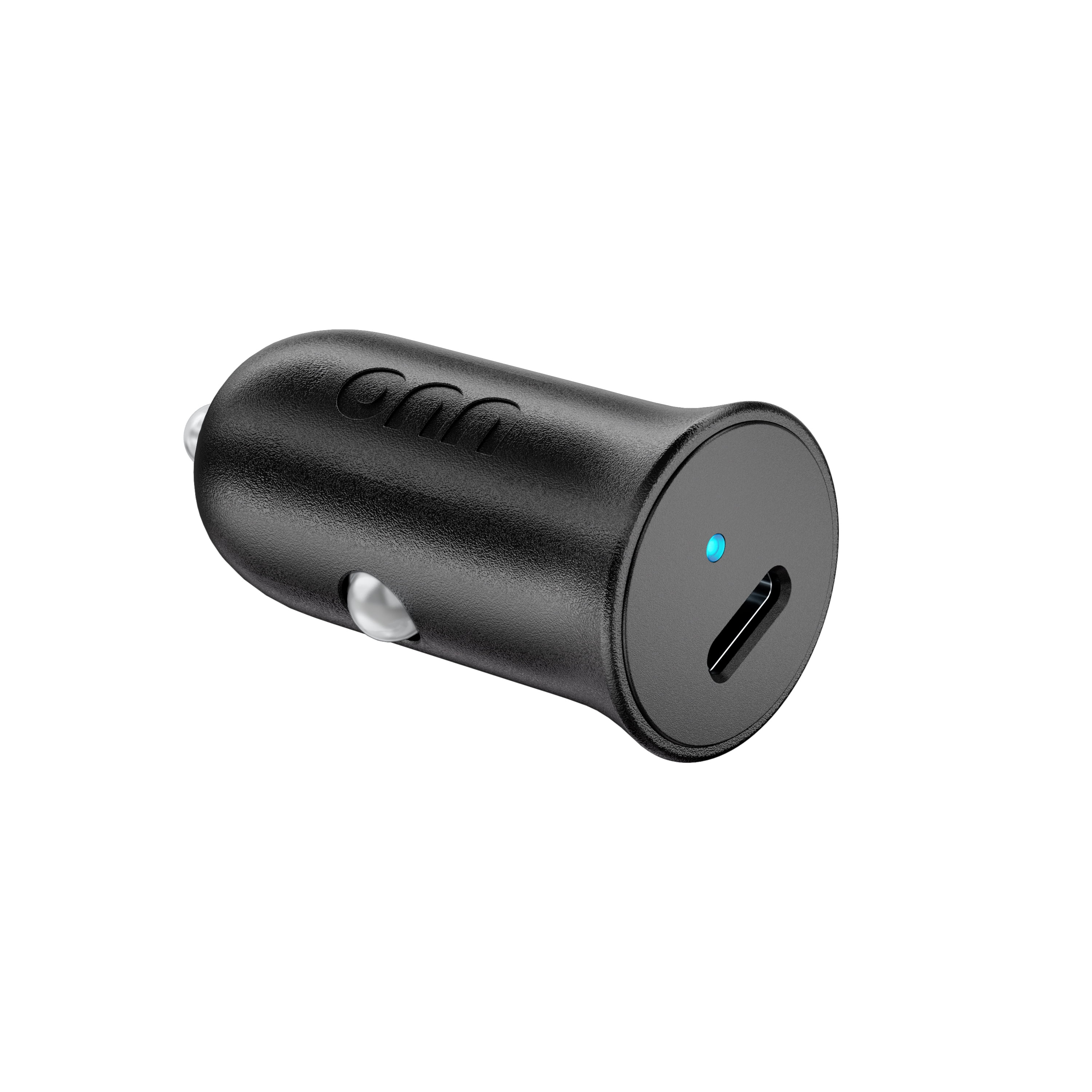
The Evolution of Car Chargers: From Wall Outlets to High-Speed Charging Stations
The evolution of car chargers has transformed significantly over the past few decades. Traditionally, electric vehicles (EVs) relied on simple wall outlets for charging, which offered limited power and often required lengthy charging times. As the demand for electric cars grew, manufacturers recognized the need for faster, more efficient charging solutions. This led to the development of Level 2 chargers, which can deliver up to 240 volts, reducing charge times to a few hours, making EV ownership more practical for everyday use.
In recent years, the advent of high-speed charging stations has revolutionized the way EV owners think about recharging their vehicles. These stations, often found at public locations like shopping centers and highway rest areas, utilize advanced technology to provide rapid charging capabilities, allowing drivers to replenish their battery in as little as 30 minutes. As infrastructure continues to improve, and innovations like ultra-fast chargers emerge, the landscape of electric vehicle charging will likely continue to evolve, making electric mobility an even more viable option for the masses.
Counter-Strike is a popular tactical first-person shooter game that pits two teams against each other: the Terrorists and the Counter-Terrorists. Players must complete objectives, such as planting or defusing bombs and rescuing hostages, while utilizing strategy and teamwork. For those looking for practical accessories, check out the Top 10 Car Chargers for Apple Watch to keep your devices powered during intense gaming sessions.
How to Choose the Right Car Charger for Your Electric Vehicle
Choosing the right car charger for your electric vehicle (EV) is crucial for optimizing your charging experience and ensuring the longevity of your battery. When selecting a charger, consider the charging speed, which is categorized into three levels: Level 1, Level 2, and DC Fast Charging. Level 1 chargers are the slowest and typically use a standard household outlet, making them ideal for overnight charging at home. Level 2 chargers are faster and are commonly found in public charging stations, suitable for those needing a quicker charge while out and about. Lastly, DC Fast Charging provides the quickest fill-up, which is perfect for road trips but requires specialized equipment.
In addition to charging speed, it's essential to consider the charging connector type compatible with your EV. Most vehicles use either the J1772 connector for Level 1 and Level 2 charging or CHAdeMO and CCS for DC Fast Charging. Always check your vehicle's specifications to ensure compatibility. Furthermore, think about the installation location of your charger. If you're installing a home charger, ensure it's located close to your parking area and has access to the necessary electrical supply. Lastly, don't forget to factor in smart features, such as app connectivity and timing options, which can enhance your charging efficiency and lower costs.
What You Need to Know About the Future of Car Charging Technology
The future of car charging technology is poised for significant advancements, driven by the increasing adoption of electric vehicles (EVs) and the need for efficient energy solutions. Key innovations on the horizon include ultra-fast charging stations that can replenish an EV's battery in under 15 minutes, making electric vehicles more convenient for daily use. Additionally, as renewable energy sources gain traction, we can expect a rise in solar-powered charging stations, which will not only lower costs but also reduce the carbon footprint of charging electric cars.
Another promising development in the realm of car charging technology is the integration of wireless charging systems. This technology allows vehicles to charge while parked over specially equipped pads, enhancing user convenience. Furthermore, advancements in battery technology, such as solid-state batteries, promise to increase both the efficiency and longevity of EV batteries. With these innovations, the landscape of car charging will evolve, supporting a sustainable future for transportation and ensuring that electric vehicles remain a viable choice for consumers.