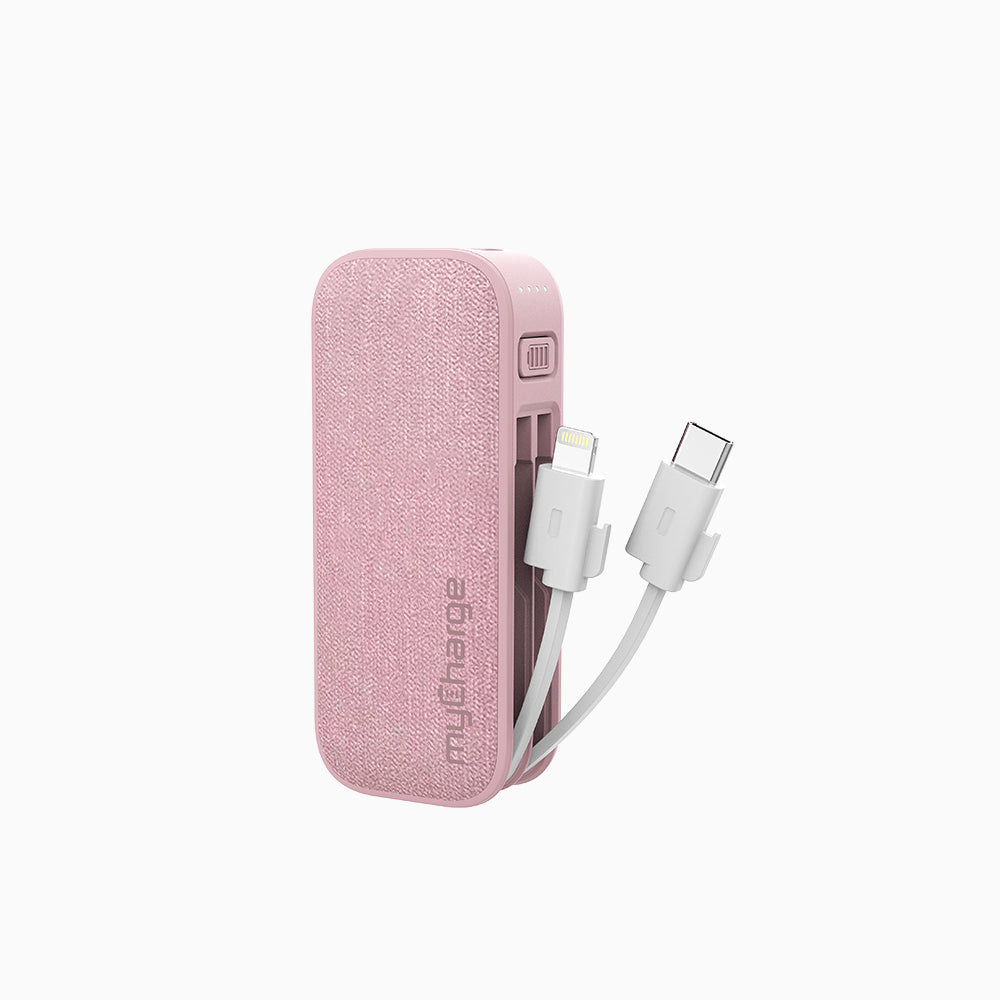
The Ultimate Guide to Understanding Portable Chargers
In today’s fast-paced world, having a reliable power source for your devices is essential. This is where portable chargers come into play. These compact devices are designed to provide on-the-go power, ensuring that your smartphone, tablet, or other gadgets remain charged throughout the day. When selecting a portable charger, consider factors such as battery capacity, output current, and compatibility with your devices. A higher battery capacity, measured in milliampere-hours (mAh), generally means more power and longer usage; for example, a 10,000 mAh charger can charge a smartphone up to three times before needing a recharge.
To make the most of your investment in portable chargers, it's helpful to understand the different types available. Here are some common options:
- Power Banks: The most popular type, these can be recharged and used multiple times.
- Solar Chargers: Ideal for outdoor enthusiasts, these use solar energy to recharge.
- Wireless Chargers: Convenient for users with compatible devices, allowing for cord-free charging.
By recognizing the advantages of each type, you can choose the one that best fits your lifestyle, ensuring that you stay powered up wherever you go.
Counter-Strike is a popular tactical first-person shooter game that pits teams of terrorists against counter-terrorists in various game modes. Its competitive gameplay and strategic depth have made it a staple in the esports industry. Players can also optimize their gaming experience with various gear, so check out the Top 10 iphone accessories under 50 to enhance your setup.
How to Choose the Right Portable Charger for Your Devices
Choosing the right portable charger for your devices can seem overwhelming due to the wide variety of options available on the market. To simplify your decision-making process, start by assessing the capacity of the power bank, typically measured in milliamp hours (mAh). For instance, a charger with a capacity of 10,000mAh can provide approximately two full charges for most smartphones. Additionally, consider the charging speed, which is often determined by the output amperage; a higher output means faster charging, so look for chargers that support fast charging technologies.
Another crucial aspect to consider is the number of ports available on the portable charger. If you frequently find yourself needing to charge multiple devices simultaneously, opt for a charger with at least two USB ports. Moreover, evaluate the size and weight of the charger, especially if you plan to carry it around. A lightweight design with a compact form factor will ensure that your charger is both portable and convenient for everyday use. By keeping these considerations in mind, you'll be well-equipped to select the perfect portable charger for your needs.
What You Need to Know About Battery Capacity and Charging Speed
Understanding battery capacity and charging speed is essential for making informed decisions about your electronic devices. Battery capacity is typically measured in milliampere-hours (mAh) or watt-hours (Wh) and indicates how much energy a battery can store. A higher capacity means longer usage time between charges, which is particularly important for devices like smartphones and laptops. Additionally, many modern devices now come with fast-charging capabilities, allowing for quicker energy replenishment. However, it's crucial to know that not all charging speeds are the same; various factors, including the charger, cable quality, and device compatibility, can affect how quickly your device charges.
When considering charging speed, it's important to look at two main metrics: voltage (V) and current (A). Charging speeds can be denoted in watts (W), which is calculated by multiplying volts by amps (W = V x A). Many manufacturers promote quick charge technology, which increases both voltage and current to accelerate the charging process. However, using a charger that exceeds your device’s specifications can lead to potential damage, while underpowered chargers can result in slower charging times. Always consult your device’s user manual or specifications to find the optimal charging solution that balances both speed and safety.